Protect Ecosystems. Respond Faster. Act Sustainably.

Why Traditional Environmental Monitoring Falls Short

Poacher activity often goes undetected in remote areas

Red background with a subtle grid pattern of rounded squares and small dots at intersections.

Flood zones are difficult to access in real-time

Black grid pattern with squares and central dots on a dark background.

Air quality data is limited or unavailable in many regions

Red background with a subtle grid pattern of rounded squares and small dots at intersections.

Wildlife patterns are difficult to track at scale

Black grid pattern with squares and central dots on a dark background.

Soil conditions shift without early warning indicators

Red background with a subtle grid pattern of rounded squares and small dots at intersections.

Teams lack equipment to survey rough or inaccessible terrain

Black grid pattern with squares and central dots on a dark background.

Manual data collection is slow and inconsistent

Red background with a subtle grid pattern of rounded squares and small dots at intersections.

Traditional monitoring methods can disturb local wildlife

Black grid pattern with squares and central dots on a dark background.

Monitor the Planet.
Responsibly and Without Disruption.

Our environmental solution is built for teams who need clear insights—not field disruption. FEDS uses NDVI mapping, AI analysis, and smart sensors to monitor habitats and detect change.

01

Rapid Response During Natural Emergencies
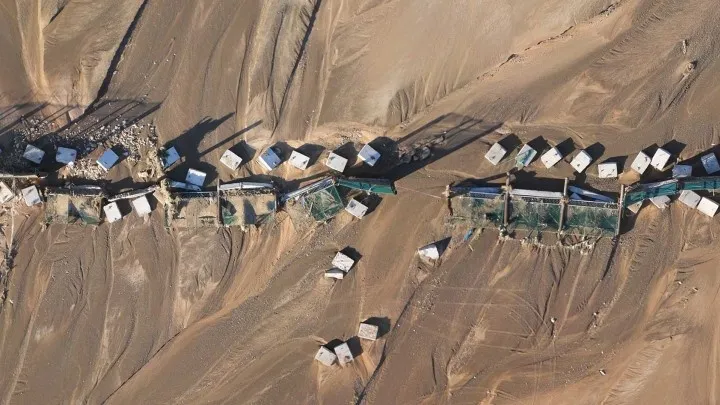
Aerial view of a damaged settlement with scattered small structures and debris on dry, cracked land.

Our team deploys drones for wildlife conservation and emergency analysis within hours, enabling governments to assess impact and coordinate aid faster.

02

AI-Assisted Classification of Soil, Vegetation, and Water

Aerial view of dense green vegetation marked with multiple translucent green location pins.

We use AI models trained on the region’s largest drone datasets to classify NDVI zones, soil conditions, water spread, and topographical shifts, delivering insights that reflect the true terrain.

03

Aerial Seeding for Reforestation and Conservation
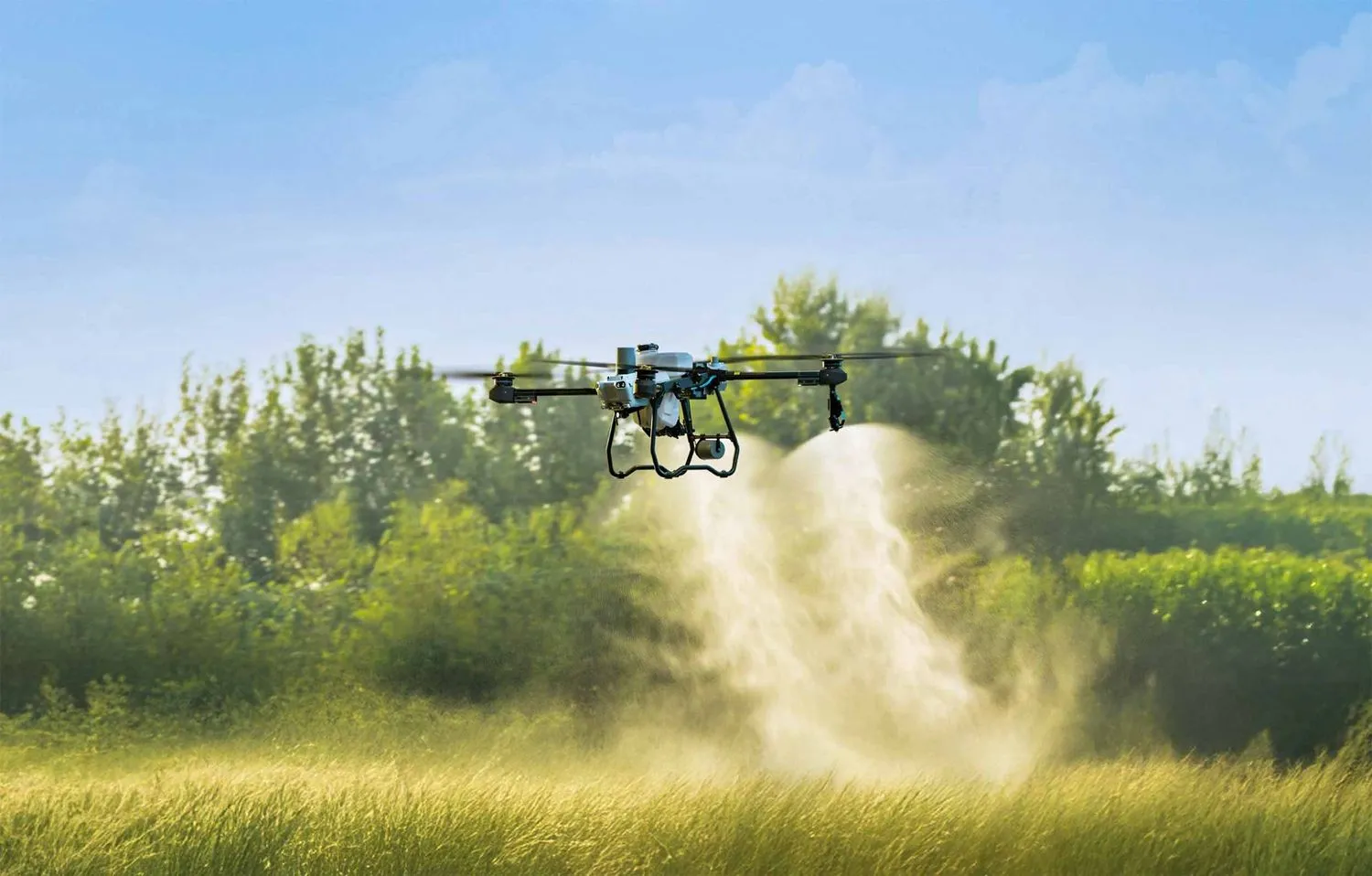
Drone spraying mist over grass field with trees and clear blue sky in background.

We enable high-precision mangrove and forest seeding via drones for wildlife conservation — supporting habitat restoration across coastal and desert regions.

04

Air Quality and Wildlife Monitoring with Sensor Payloads
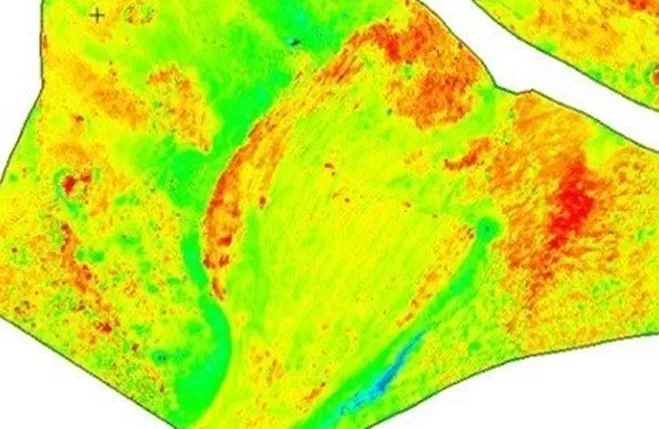
Color-coded heatmap or topographic map showing variations with green, yellow, red, and blue areas.

Mounted sensors collect air quality and atmospheric data in hard-to-reach zones. We also conduct low-impact drone wildlife protection missions for wildlife tracking and anti-poaching missions.

Built for Sustainable Impact and Field Flexibility

FEDS uses rigorously tested, brand-agnostic drone platforms and advanced sensors selected through real-world field validation. We only deploy equipment that meets our standards for reliability, data quality, and mission success.

Drone Platforms and Payloads

Drones equipped with NDVI, RGB, and air-quality sensors
End-to-end flight planning tailored to each environment
No load trucks or invasive ground crews required
Docked drone systems deployed for autonomous wildlife and poacher activity monitoring

Data Accuracy and Coverage

Trained AI models for NDVI classification and habitat tagging
GIS-ready outputs for resource planning or restoration
Proven impact in deserts, coastal zones, forests and wetlands.

Processing and Analysis

Deliverables aligned with agency workflows and formats
Raw or processed data based on client preferences
Outputs compatible with GIS and remote sensing tools

Security and Compliance

Compliant with UAE and KSA Aviation, Commercial Drones and Municipal Regulations.
FEDS Drone-powered Solutions is certified on international UAS operational procedures (ISO 21384-3:2023), quality management (ISO 9001), OH&S (ISO 14001, ISO 45001) and for secure data storage and encrypted delivery (ISO 27001).

35,000+ Palm Trees Counted in Minutes, Not Months

CLIENT

UAE Government Entity

THE CHALLENGE

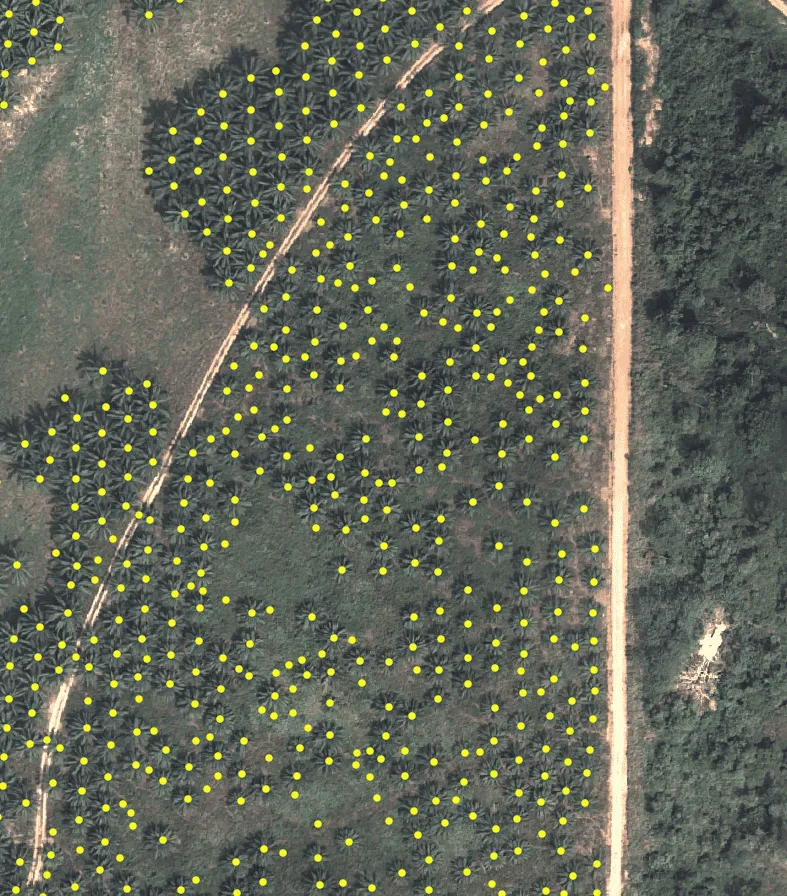
Counting palm trees across large farms from orthomosaics was slow and error-prone, delaying irrigation planning, yield estimates, and governance tasks like GPS-level inventories. The client needed exact counts across varied palm types and terrains, delivered far faster than manual methods.

FEDS SOLUTIONS

We trained and validated a palm-tree detector on high-resolution drone imagery, iterating across 769 scenarios and 5,785 labelled trees to reach ~97% precision/recall. The workflow turned a 1 km² manual count that took ~120 hours into an under-1-hour process (about 11,900% faster) while maintaining 95–97% accuracy across countries and image resolutions.

Aerial view of a forested area with evenly spaced palm trees marked by yellow dots and dirt roads running through.
Results
35,000 palms counted on a 5 km² farm in ~4 hours at 97.5% accuracy.
~99.16% time saved vs. manual counting, with ~97% precision and recall.
Inventory-ready counts and locations to support irrigation design, yield forecasting, and food-security planning.