
LAST UPDATED
August 15, 2025
READING TIME
10
Min

Climate scientists agree that extreme weather events are becoming more frequent. As a result, utility providers will continue to face growing challenges. For example, substations are the backbone of power distribution, yet they are often located in remote or exposed areas. Traditional monitoring methods, either on foot or by helicopter, are time-consuming, costly, and carry safety risks – especially before or after severe weather events.
UAV inspections for substations are changing that equation, offering safe, efficient, and high-quality coverage even in extreme weather.
Substations are vulnerable to high winds, flooding, sandstorms, and extreme heat. These events can damage components, accelerate wear, and disrupt service for thousands of customers.
Conventional inspections often involve:
Drones offer a faster, safer, and more precise way to identify risks before they turn into outages.
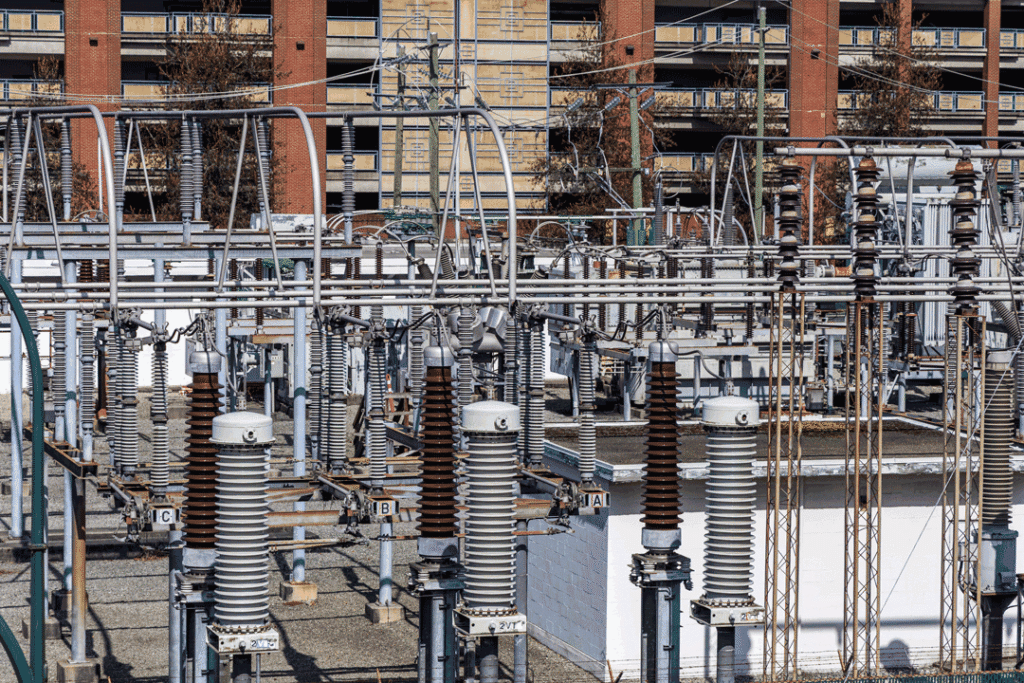
When weather hits, response time is critical. UAVs from automated drone docks can be launched on-site within minutes of clearance, avoiding the delays caused by moving large crews or equipment. This speed enables faster triage and helps maintenance teams prioritise repairs to restore service sooner.
High-voltage lines, tall transformers, and elevated busbars are dangerous to monitor manually, especially after storms or in windy conditions. Drones used for site inspections capture high-resolution imagery and thermal data from a safe distance, removing the need for scaffolding, bucket trucks, manual rope climbing or other potentially unstable access methods.
Modern inspection drones can carry multiple sensors, including:
These datasets give engineers a clear, non-contact view of asset condition without stepping foot in hazardous zones.
Drone inspections reduce man-hours, transport costs, and equipment hire. For many utilities, they replace or supplement helicopter flyovers, lowering fuel use and emissions. In documented programmes, time and cost reductions of 30-70% are common, depending on asset type and workflow.
After high winds or heavy rain, drones can visually inspect a small to medium substation in about an hour, identifying cracked insulators or displaced components.
Prolonged high temperatures strain transformers. High-resolution RGB sensors can help detect minute or intricate faults, which can lead to disaster.
Drones can assess floodwater ingress points and capture aerial views for planning repairs, avoiding the need to send crews into hazardous zones.
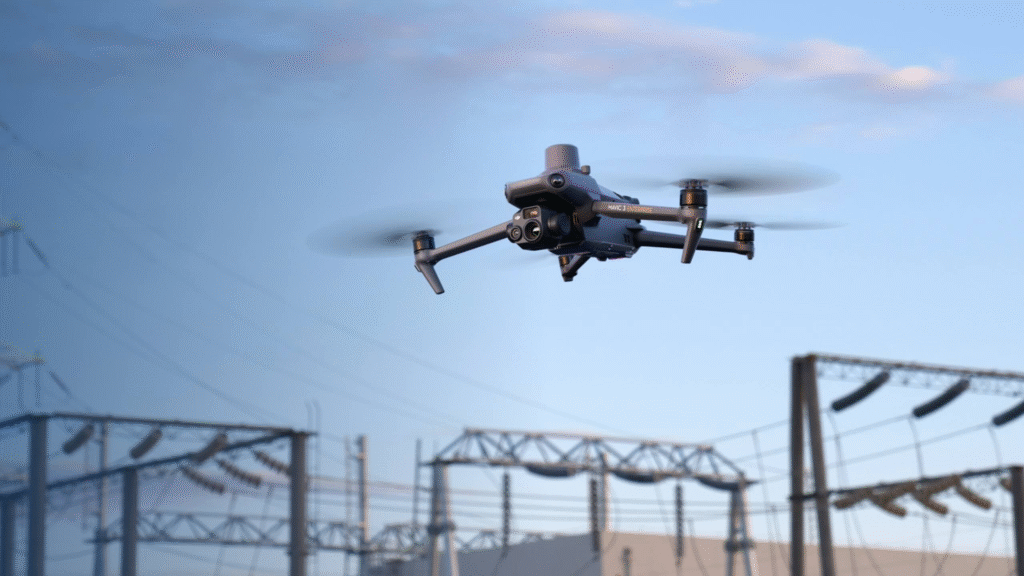
Adding drones to monitoring and inspection workflows builds capability that includes:
Companies such as FEDS support utilities through these steps, ensuring drones deliver value from day one.
Extreme weather isn’t going away, and neither is the need for reliable, efficient substation monitoring. Drones give utility service providers and transmission companies a proven way to cut inspection times, improve safety, and capture high-quality data for fast, informed decision-making – whatever the weather.
Contact recognised drone inspection experts FEDS to explore ways to improve your utility monitoring and boost your grid’s resilience year-round.



.webp)
