
LAST UPDATED
July 21, 2026
READING TIME
10
Min
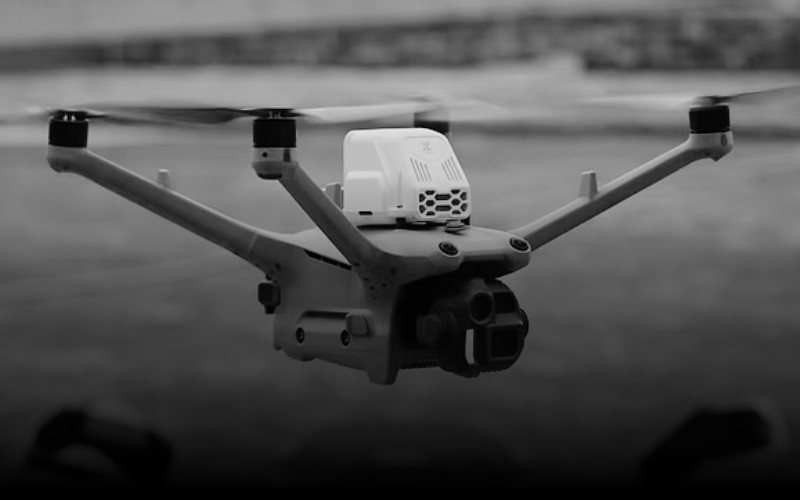
Drone-powered Industrial gas detection services give operators the ability to identify, map, and quantify hazardous and greenhouse gas emissions across entire facilities and inside confined spaces. The detection covers everything from methane and H₂S to VOCs and particulate matter. For Gulf operators facing tightening ESG requirements, workplace safety mandates, and export market scrutiny, multi-gas monitoring is becoming a baseline operational requirement rather than a periodic checkbox.
Here is what drone-powered gas detection involves, where the biggest gaps are in traditional approaches, and why the scope of monitoring needs to go well beyond methane alone.
Methane gets the headlines for good reason: over a 20-year period it traps around 80 times more heat than carbon dioxide. The commitments are public, too. At COP28 in Dubai, more than 50 oil and gas companies signed the Oil & Gas Decarbonisation Charter, pledging near-zero upstream methane emissions by 2030. The Global Methane Pledge targets a 30% cut against 2020 levels by the same deadline. The EU Methane Regulation, in force since 2024, imposes monitoring requirements on imported LNG that directly affect Gulf exporters. Methane, though, is only one part of a much larger picture.
Industrial facilities across the Gulf emit a range of gases that carry safety, environmental, and compliance implications: Hydrogen sulphide (H₂S) becomes immediately dangerous to life at around 100 ppm, and occupational exposure limits are set far lower still. Volatile organic compounds (VOCs) contribute to ground-level ozone and carry long-term health risks. Sulphur dioxide (SO₂) from incomplete combustion damages respiratory health and corrodes infrastructure. Carbon monoxide (CO) is odourless and can build to lethal levels in enclosed spaces before anyone notices. Ammonia (NH₃) leaks in refrigeration and fertiliser operations create both safety hazards and environmental liability.
Operators who monitor only methane are solving one problem while leaving five others undetected. Regulators, insurers, and ESG frameworks increasingly ask for the full emissions picture rather than methane data in isolation.
The gas monitoring toolkit most operators inherited has three primary instruments: fixed-point sensors at known hotspots, handheld detectors carried by safety crews, and periodic walk-around surveys. All three share the same fundamental limitation: they only cover where you place them or where you happen to walk.
Fixed sensors are reliable for the specific points they monitor. But a refinery has thousands of potential emission sources such as valves, flanges, compressor seals, tank vents, flare lines, and installing sensors at every one is neither practical nor affordable. The result is that fixed networks catch what happens at their location and miss everything in between.
Handheld OGI cameras and portable detectors are effective for targeted LDAR campaigns but scaling them to routine inspections across a large facility requires significant crew hours. A manual walkthrough of a mid-sized gas processing plant can take days. The data is accurate for the moment it was captured, but it does not tell you what was happening at the other end of the facility on the same day.
The weakness is not the instruments themselves; it is coverage. The gap between what fixed sensors and periodic walk-arounds can see and what the facility is actually emitting is where incidents, compliance failures, and unreported emissions live.

The approach that is gaining traction across the Gulf addresses the coverage problem directly: mobile, multi-gas detection that surveys an entire facility or the inside of a confined asset in a single deployment.
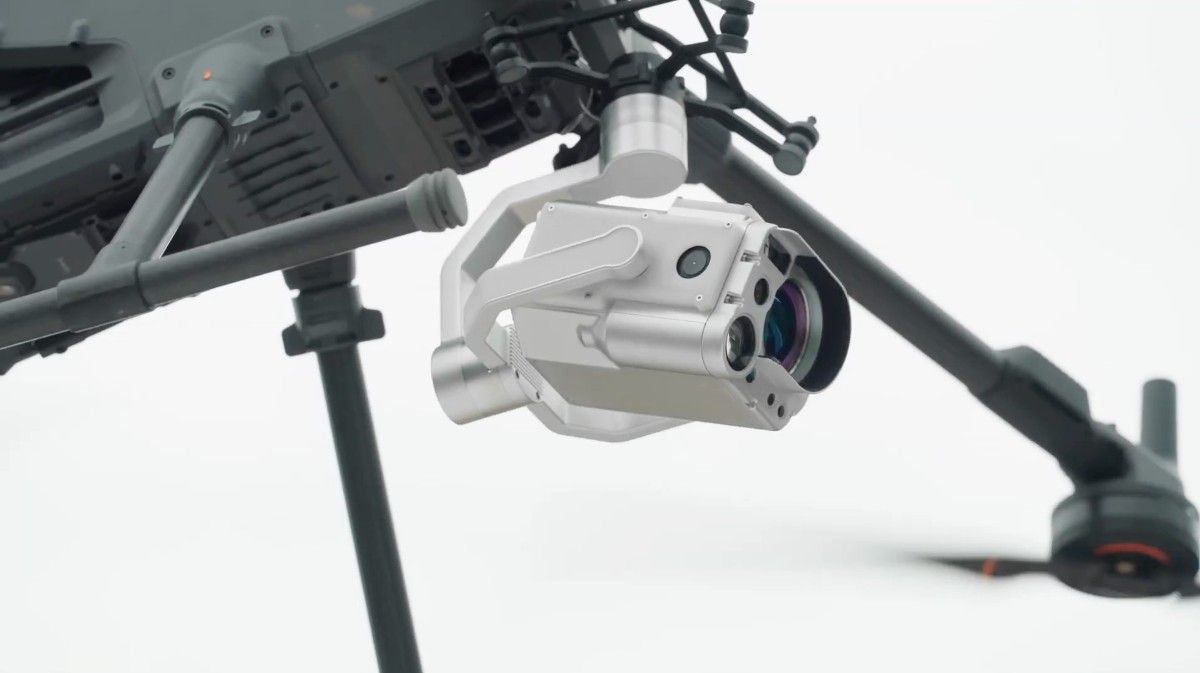
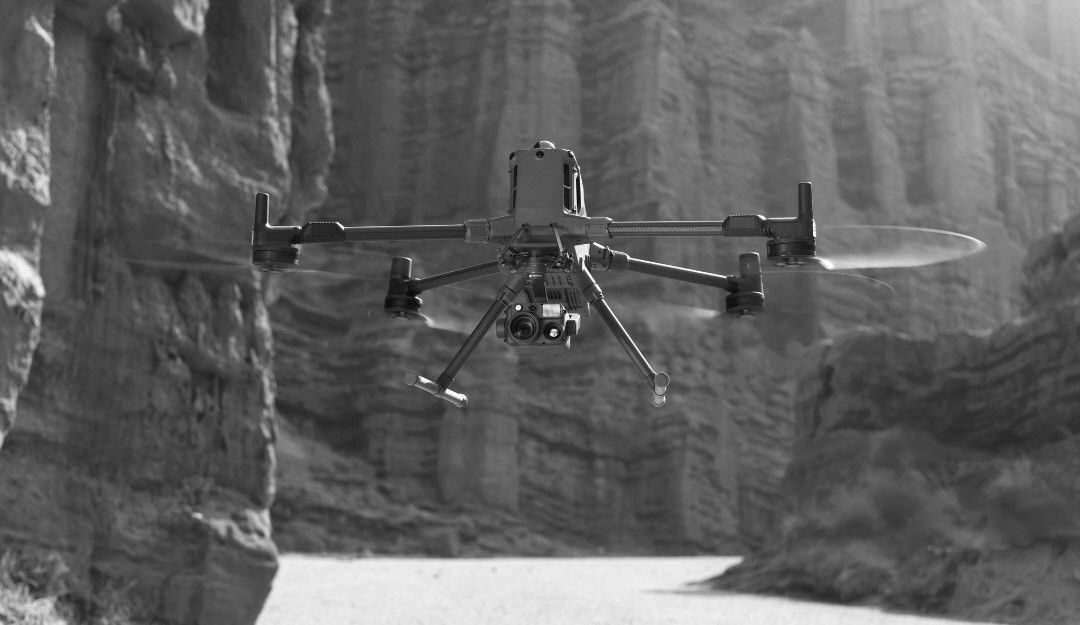
For open facilities, a drone-mounted payload detects up to nine parameters in a single pass: seven gases (methane, H₂S, SO₂, CO, NO₂, VOCs, and ammonia) plus PM2.5 and PM10 particulates. For operators who need regulatory-grade methane data specifically, TDLAS sensing brings accuracy down to one part per million.
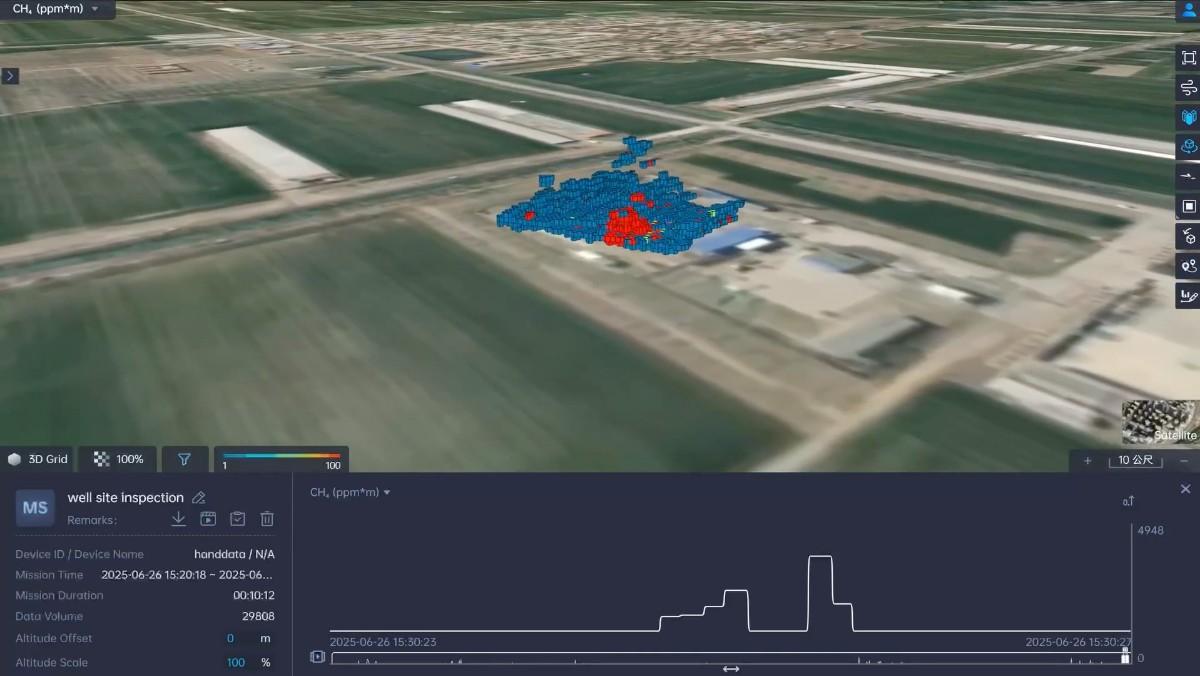
While the hardware picks up the gases and the particulate matter, the software generates real-time 2D and 3D gas distribution maps as the survey runs, streamed live via 4G connectivity. Decision-makers see where concentrations are building before the field crew has left the site. Reports are generated in minutes not days, geo-tagged, time-stamped, and formatted for OGMP 2.0, EU Methane Regulation, or internal ESG reporting requirements.
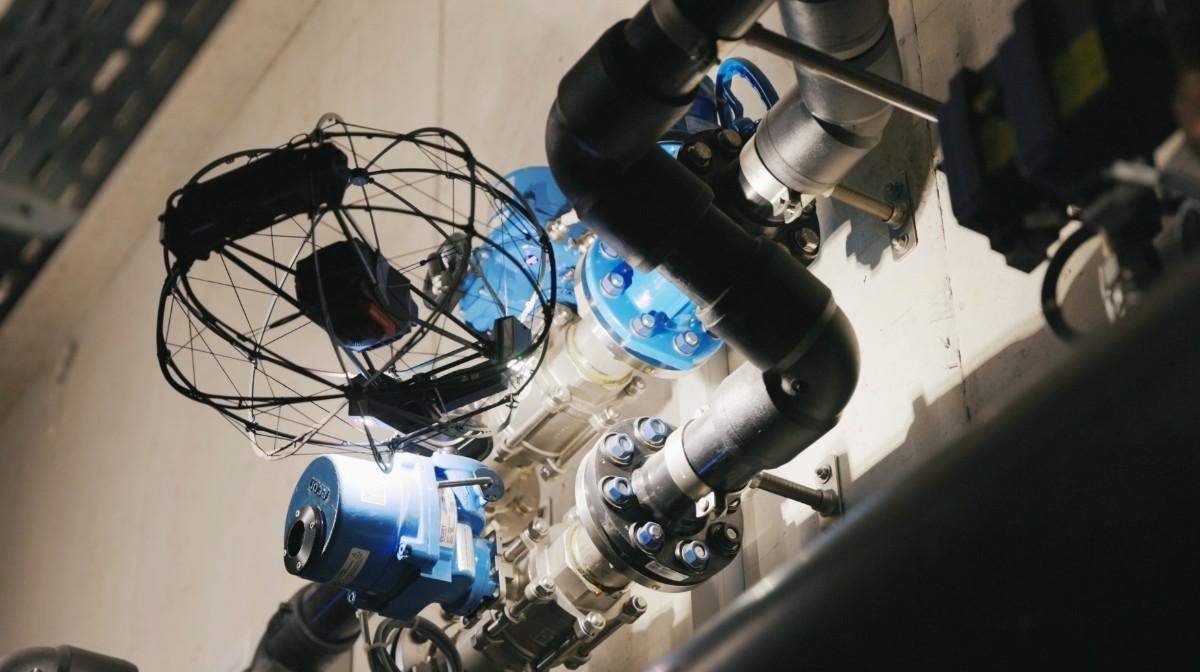
For confined spaces such as the inside of storage tanks, pressure vessels, boilers, chimneys, and industrial duct systems we deploy confined space drones with integrated gas detection (CH₄, H₂S, O₂, CO). This captures atmospheric data alongside HD visual and thermal inspection data in a single deployment, without a human entering the space. A significant proportion of unreported emissions and hazardous gas accumulations originate in confined assets, simply because nobody could safely get sensors close enough to measure them before.
Combined, these two capabilities, open-facility multi-gas surveying and confined space atmospheric monitoring, give operators visibility across their entire operation, rather than only the areas where fixed sensors happen to be installed.
A programme runs on a defined timeline: monthly for high-priority assets, quarterly for lower-risk facilities, with a consistent workflow on every visit.
Mission planning: The facility layout is loaded into mission planning software. A survey grid is defined based on the asset’s layout, wind conditions, and priority zones such as compressor stations, storage tanks, flare lines, valve manifolds, and any confined assets flagged for internal atmospheric assessment.
Field survey: A two-person crew deploys to the site, calibrates sensors, and runs the planned mission. Multi-gas concentration data streams live, with readings above defined thresholds flagged automatically.
Data processing: Gas concentration data is fused with the facility’s spatial layout, generating leak-localisation heatmaps and concentration overlays that show exactly where elevated readings occurred and for which gases.
Reporting: Output is a standardised report: emission events tagged by GPS coordinate, gas type, concentration, and timestamp. Formatted for OGMP 2.0 Level 4/5 documentation, EU Methane Regulation requirements, workplace safety compliance, or internal ESG reporting templates.
Trend analysis: Across recurring engagements, month-on-month trending shows whether maintenance interventions are working, where new emission sources are developing, and where attention is needed. One-off snapshots become actionable trend data.
The technology works but standing up an in-house multi-gas monitoring programme requires resources. Even a small-scale programme requires qualified pilots, specialised detection payloads, regulatory approvals for operations around live assets, data-processing workflows that meet multiple reporting standards, and the resources to keep all of it current as regulations evolve.
For most operators, that is a multi-year build-out for a function that sits outside core operational expertise. The alternative is to contract for the outcome: routine, audit-ready gas monitoring reports on the timelines the regulator and the operation require.
A specialist service partner brings trained pilots, calibrated sensors, regulatory approvals, reporting expertise, and equipment maintenance as a single package. The operator gets the data. The partner handles everything else.
In the Gulf specifically, operating conditions make the service model even more practical. Temperatures regularly climbing towards 50°C, dust, salt air, and the scale of UAE infrastructure mean that sensor maintenance and equipment readiness are year-round concerns. A service partner absorbs that burden entirely.
The most interesting outcome operators report after the first six months of routine multi-gas monitoring is that the data starts delivering value they did not anticipate.
Repeated surveys build an emissions baseline that spans methane, H₂S, VOCs, and other compounds that indicate equipment health. Trending reveals which compressor stations are degrading, which valve replacements need to come forward, and which assets are quietly leaking product. H₂S trends that are caught early prevent safety incidents and avoid costly emergency shutdowns.
What started as fugitive emissions monitoring for oil and gas compliance becomes operational intelligence. The data informs maintenance planning, capital allocation, safety prioritisation, and ESG reporting, all from the same survey programme.
If multi-gas monitoring is on your roadmap for 2026, let's talk.
whatsapp us today: +971 52 120 4356



.webp)
