
LAST UPDATED
April 2, 2026
READING TIME
10
Min
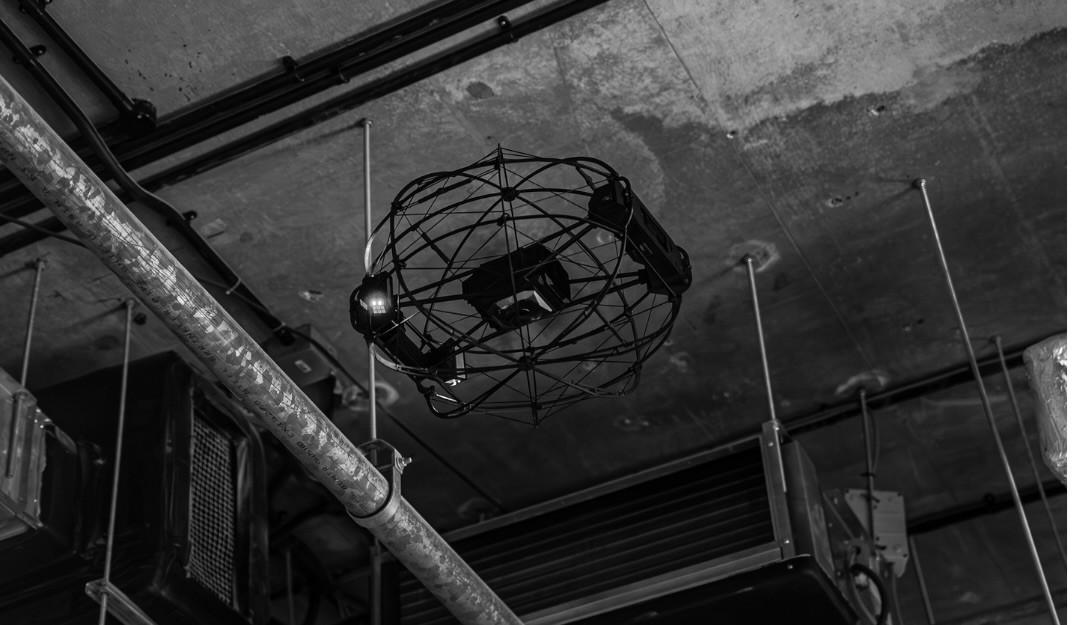
Across the GCC, industrial facilities operate under extreme conditions. Critical assets like storage tanks, pressure vessels, silos, and pipelines require regular internal inspections to remain safe, compliant, and productive. Historically, this meant sending workers into hazardous confined spaces, a highly disruptive process requiring scaffolding, extensive permit approvals, and days or even weeks of costly downtime.
In this article, we explore how the new generation of caged aerial inspection drones is changing the equation. Built specifically for enclosed environments, these remotely operated systems capture high-resolution visual data from inside your assets without requiring human entry or complex outdoor airspace permissions.
Confined space incidents remain among the most serious workplace safety concerns in the industrial sector. The nature of these environments, limited entry and exit points, poor natural ventilation, and the potential for rapidly changing atmospheric conditions, makes every entry inherently dangerous.
Before any inspection can take place inside a large storage tank or process vessel, temporary access structures must typically be erected. Scaffolding installation inside a confined space is time-consuming, expensive, and itself a source of risk.
Workers face falls from height, struck-by hazards from materials being passed through narrow openings, and musculoskeletal injuries from working in awkward positions. In large tanks, scaffolding programmes can take several days to install and dismantle, during which the asset remains out of service.
Perhaps the most dangerous aspect of confined space work is the atmospheric risk. Tanks and vessels that have held hydrocarbons, chemicals, or organic materials can harbour residual gases that are invisible and often odourless, including:
Hydrogensulphide (H2S)
Carbon monoxide (CO)
Methane (CH4)
Oxygen-depleted atmospheres
Despite rigorous gas testing protocols, conditions inside a confined space can change rapidly. A disturbed sludge layer, a shifting temperature gradient, or a residual pocket of vapour can turn a routine inspection into a life-threatening emergency within seconds.
Across the GCC, regulatory bodies - including theUAE’s Abu Dhabi Occupational Safety and Health Centre (OSHAD) and Saudi Arabia’s Ministry of Human Resources and Social Development - have established stringent requirements for confined space entry, reflecting the seriousness.
Beyond safety, confined space inspections carry a high operational cost. Each inspection typically requires a full shutdown of the asset, draining and cleaning of the vessel, erection and later removal of scaffolding, a dedicated safety watch team, and multiple entry permits.
For a single large storage tank, this process can remove the asset from service for one to three weeks. For facilities managing dozens of such assets, the cumulative impact on output, revenue, and maintenance scheduling is substantial.
In the Gulf region, where summer ambient temperatures regularly exceed 45°C, the thermal conditions inside metal tanks and vessels can be extreme. This further limits the duration of human entry and extends inspection timelines.
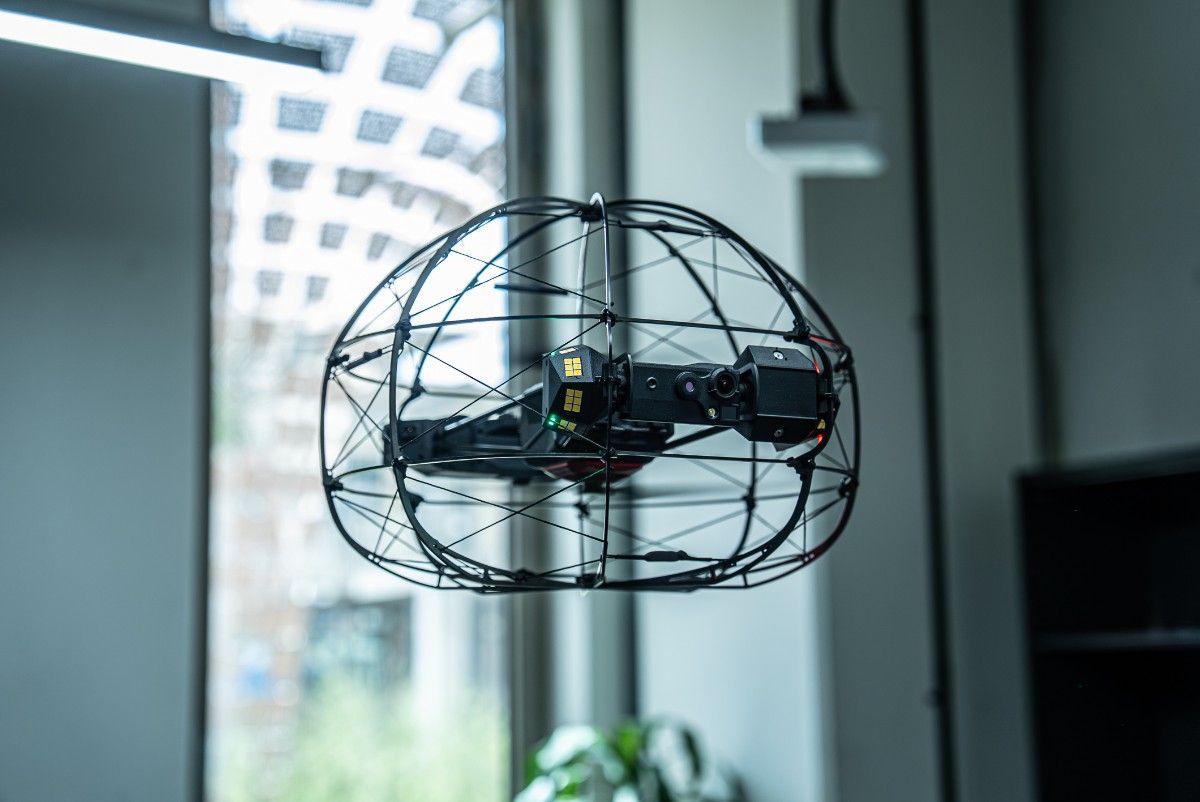
Caged aerial inspection platforms represent a purpose-built solution for these challenges. Unlike general-purpose outdoor flying platforms, these systems are engineered from the ground up for indoor, enclosed, and GPS-denied environments.
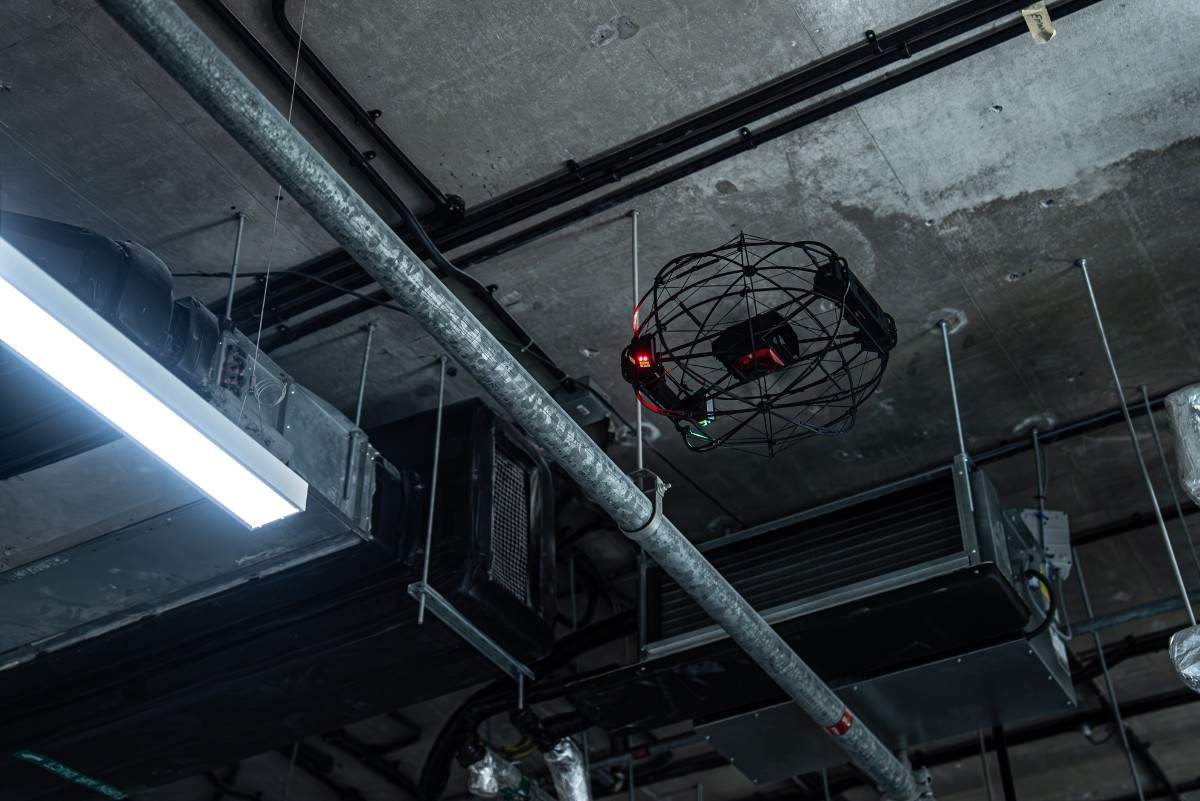
Their defining feature is a protective cage or frame that surrounds the flight platform, allowing the system to make contact with walls, ceilings, and internal structures without risk of damage to either the robot or the asset.
This design philosophy makes them ideally suited for the kinds of confined spaces found across Gulf industrial facilities:
Crude oil storage tanks
Water reservoirs and pipelines
Grain silos
Heat recovery steam generators (HRSGs)
Flare stacks and chimneys
It is important to distinguish these indoor inspection platforms from the outdoor systems that most people are familiar with. Outdoor aerial systems rely on GPS for positioning and are subject to national civil aviation regulations, including airspace permits, no-fly zone restrictions, and operational approvals from civil aviation authorities.
Indoor caged inspection platforms operate entirely within enclosed structures. They use onboard sensors, LiDAR, ultrasonic rangefinders, inertial measurement units, for navigation and positioning, with no dependence on GPS.
Because they never enter open airspace, they fall outside the scope of civil aviation regulation. This distinction has a profound practical benefit: facility operators can deploy these systems without the lead time and administrative burden of securing external flight permits, making it possible to schedule inspections with far greater flexibility.
For facility operators in the UAE and Saudi Arabia, the regulatory simplicity of indoor inspection platforms is a significant practical advantage.
Outdoor aerial operations in the region are subject to comprehensive regulatory frameworks. Regional civil aviation bodies require operators to obtain approvals that can involve detailed applications, operational risk assessments,insurance documentation, and coordination with air traffic management, aprocess that can take weeks.
Indoor, caged inspection drones sidestepthis entire framework. Because they operate within the physical envelope of the facility, inside tanks, vessels, buildings, and enclosed structures, they do not interact with regulated airspace. This means that facility operators can integrate these inspection capabilities into their routine maintenance programmes without the scheduling uncertainty that comes with external permit dependencies.
This is particularly valuable in the current operating environment. Geopolitical dynamics in the wider region can, at times, lead to temporary airspace restrictions or heightened security protocols that further complicate outdoor operations and logistics. Indoor inspection platforms remain entirely unaffected by such external factors, providing a degree of operational continuity that is difficult to achieve through other means.
From ahealth and safety compliance perspective, the use of remotely operated systemsfor confined space inspection aligns with the hierarchy of controls - the foundational principle of occupational safety that prioritises eliminating or substituting hazards before relying on administrative controls or personal protective equipment. By removing the human from the hazardous environment entirely, these systems represent the highest tier of risk control.
One of the most compelling arguments for adopting indoor inspection drones is the resilience it brings to maintenance planning.
Industrial facilities in the Gulf region operate within a complex web of dependencies: equipment suppliers, specialist contractors, scaffolding providers, safety equipment hire companies, and logistics services. A delay in any one of these can cascade through a maintenance schedule, pushing back turnarounds and extending outages.
Theseinspection platforms significantly reduce these dependencies. A typical systemcan be mobilised by a small team of two to three operators, requires minimal support infrastructure, and can complete inspections on a timeline measured in hours rather than weeks. This makes it possible to conduct inspections during planned micro-shutdowns, during ongoing operations where safe to do so, or as a rapid-response capability when unexpected issues arise.
Forfacilities operating across the UAE and Saudi Arabia where ambitious national programmes such as Saudi Vision 2030 and the UAE’s Operation 300bn industrial strategy are driving sustained investment in manufacturing, energy, and infrastructure, the ability to maintain asset integrity without interrupting production is a strategic capability.
The shift toward using aerial platforms for confined space inspection is not simply a technology adoption story. It represents a broader evolution in how facilities approach asset integrity: moving from reactive, calendar-driven inspection cycles to proactive, condition-based programmes.
When the barriers to inspection are high as they are with traditional confined space entry, there is a natural tendency to defer inspections, extend intervals, and accept greater uncertainty about asset condition. When those barriers are dramatically lowered, facilities can inspect more frequently, build richer historical datasets, identify trends earlier, and make better-informed decisions about maintenance, repair, and replacement.
The 3D digital models produced by modern inspection platforms are particularly powerful in this regard. Over successive inspections, they create a time-series record of asset condition that enables predictive analysis: identifying where corrosion is progressing fastest, where coating systems are beginning to fail, and where structural intervention will be needed - before a minor issue becomes a major incident.
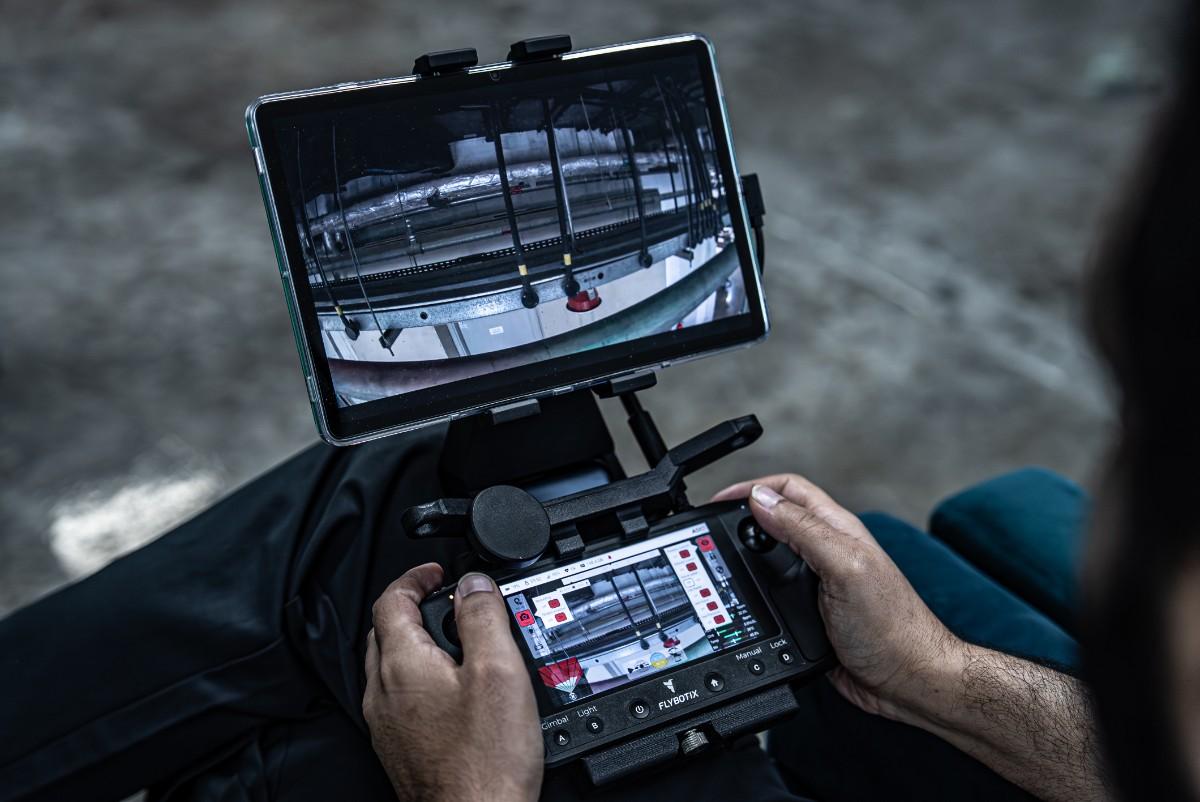
The technology underpinning caged inspection platforms continues to advance rapidly. Integration with artificial intelligence for automated defect recognition, improved sensor miniaturisation for carrying more capable payloads, and enhanced autonomy for navigating complex geometries without direct operator input are all areas of active development.
For facility operators across the GCC,the opportunity is clear: by adopting structured, technology-enabled inspection workflows today, they can improve safety outcomes, reduce operational downtime, strengthen regulatory compliance, and build the digital asset records that will underpin the next generation of predictive maintenance strategies.
Facility maintenance does not stop because external circumstances are uncertain. With the right tools and workflows, it does not need to.
Whether you manage petrochemical tanks, maritime vessels, or infrastructure tunnels, you no longer need to rely on scaffolding and extended downtime. And because these caged systems operate entirely inside your assets, they can be deployed exactly when you need them - without the administrative delays of waiting on external airspace permits.
If you are looking to eliminate hazardous human entry and build a more resilient inspection workflow, reach out to our team today to explore how indoor drone inspection platforms can smoothly integrate into your maintenance programme.



.webp)
